Worker SOS & incident alerts
Route configured help requests, impact or fall events for human review.
Loading
Connected PPE can support safety alerts, location and optional sensor signals in demanding UAE work environments.
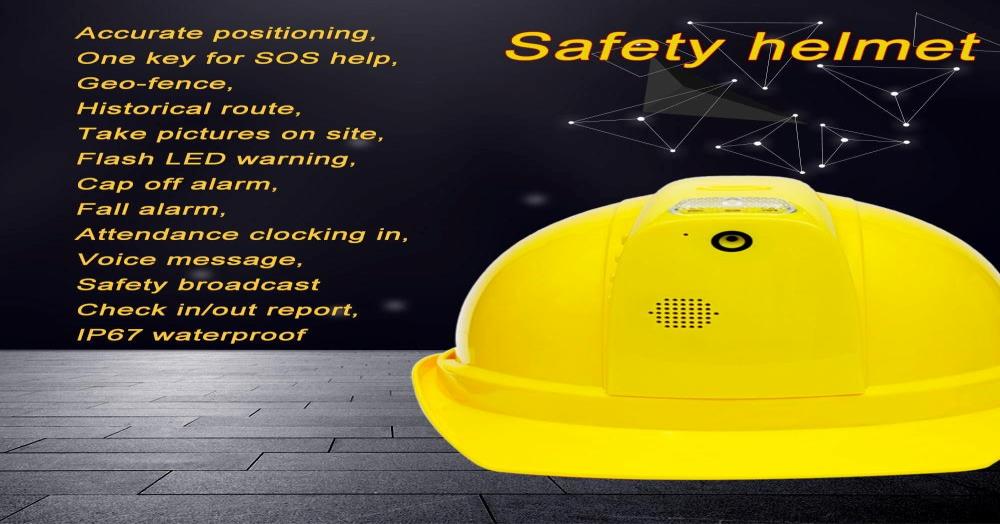
Connect approved wearables, site conditions and supervisor workflows to support worker-safety coordination. Depending on the device, site design and agreed purpose, a smart helmet or vest can provide a worker-initiated SOS, configured impact or fall event, location, device status, environmental reading or optional physiological signal. A trained person reviews and responds to alerts. Wearable data supports safety decisions; it does not diagnose illness or replace supervision, occupational-health advice or emergency procedures.
A worker-safety system brings approved wearables, site conditions and clear response procedures into one workflow. Depending on the device and its configuration, a smart helmet or paired wearable can report a worker-initiated SOS, a configured impact or fall event, location, device status, an environmental reading or an optional physiological signal. A trained person reviews and responds to alerts. Wearable data supports safety decisions; it does not diagnose illness or replace supervision, occupational-health advice, first aid or emergency procedures.
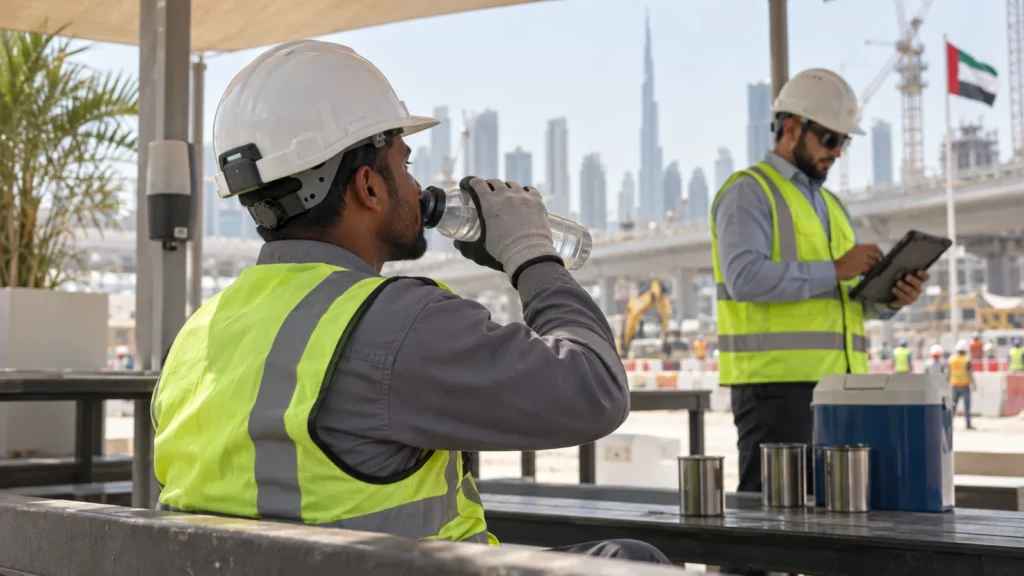
Choose equipment after a task-based hazard assessment. A connected helmet may work with a badge, vest, rugged phone, radio or site gateway. Depending on the approved hardware, a deployment can support:
Check fit, certification, impact protection, hearing and respiratory PPE compatibility, battery endurance, cleaning and worker comfort before a pilot. Added electronics and protective clothing can increase heat burden, so assess the complete PPE setup and task conditions.
Combine outdoor location, local conditions, scheduled check-ins and an escalation contact for roadworks, utilities and remote maintenance. Plan shade and recovery around the task and site conditions.
Support lone-worker check-ins, restricted-area alerts and emergency location during inspections of pumps, substations, rooftops or production equipment. Route verified events into the HSE or maintenance workflow so a person can own the next action.
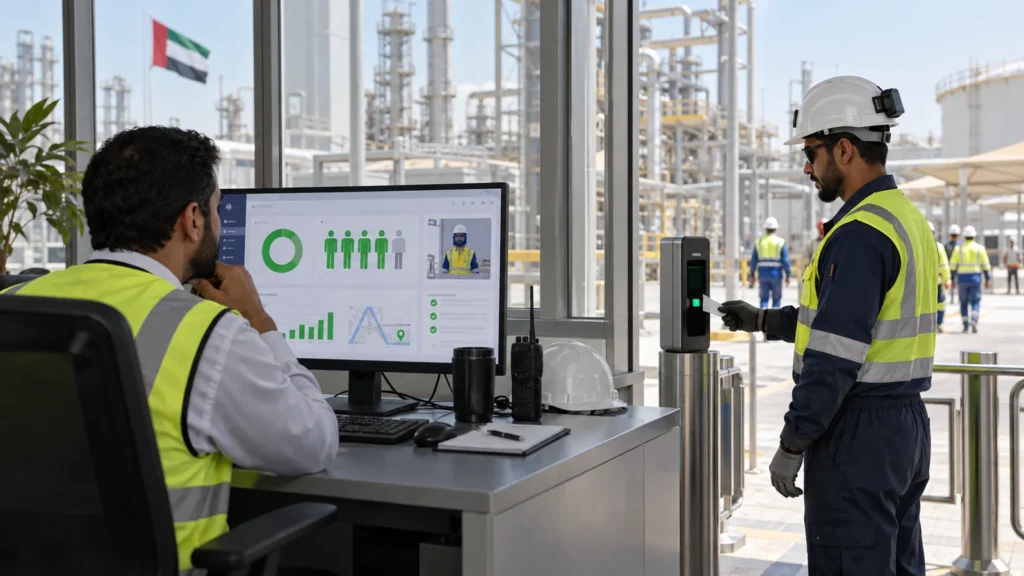
Coordinate worker alerts with loading docks, forklift areas and muster points. Connect to RTLS or access-control events only where they help the safety response and the use has been documented.
Use a prioritized queue for SOS, impact, environmental and missed-check-in events. Show the zone, alert time, device state and response steps. Record acknowledgement, welfare check, escalation and closure.
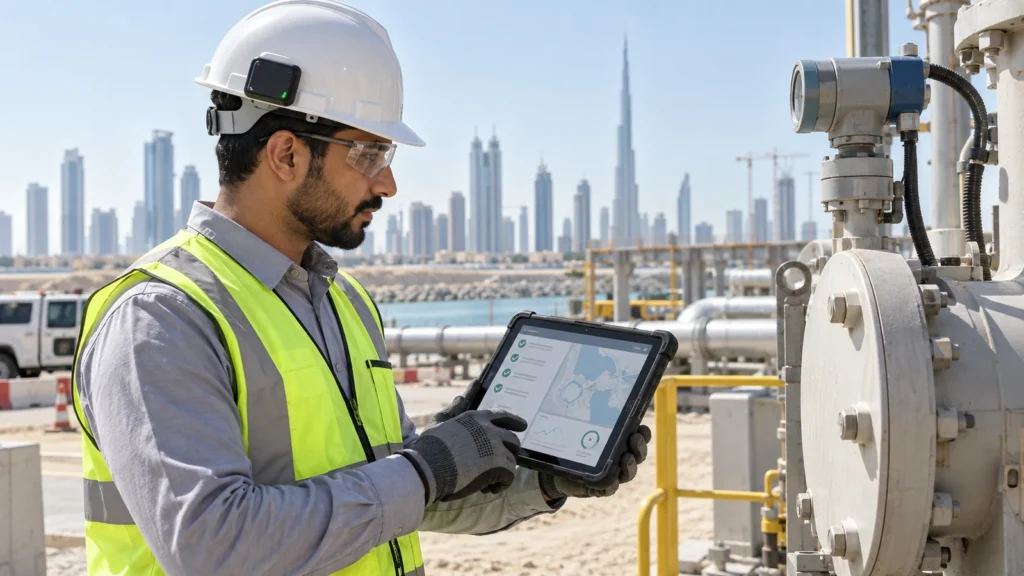
Test the workflow at the actual site, including noisy areas, poor coverage, indoor-to-outdoor transitions, shift changes and depleted batteries. Keep a fallback process available when a device, gateway or network is unavailable.
Wearables are one supporting layer in a heat-illness prevention plan. The MoHRE Occupational Health and Safety Guide describes the annual Occupational Heat Stress Prevention Policy. It restricts outdoor work under direct sunlight during the midday period from 12:30 p.m. to 3:00 p.m., 15 June to 15 September. Check current MoHRE guidance and the policy's permitted-work provisions when planning each operation. Technology does not replace the required work controls.
Site plans should also cover suitable work/rest scheduling, shaded or cooled recovery areas, accessible drinking water, worker and supervisor training, acclimatization, buddy checks and emergency response. NIOSH recommends tailoring controls to heat, humidity, radiant sun, workload and PPE, with qualified safety professionals setting site procedures. See the NIOSH workplace heat-stress recommendations.
A typical design connects supported helmet and wearable devices through Bluetooth, UWB, GNSS, cellular or a site gateway. An edge or cloud service normalizes events, applies approved rules and routes alerts to mobile or control-room tools. Integrations can include workforce identity, shift and permit systems, indoor maps, RTLS, incident management, EHS software and maintenance work orders. Use authenticated APIs, role-based access, audit records, retry handling and an offline procedure.
Explain what the devices collect and why. Limit access and retention to the documented safety purpose, keep unrelated productivity monitoring out of the workflow, and review applicable UAE privacy, employment, client and sector requirements before collecting location or health-related data. Include worker feedback in device selection and pilot review.
Measure device readiness, coverage by work zone, alert delivery and acknowledgement time, confirmed and false alerts, missed check-ins, response closure, comfort and worker adoption. Agree pilot targets with the site's safety owner. A short technology trial does not establish a reduction in injuries or a health outcome.
Capabilities depend on the specific helmet and paired devices. A configured system can support SOS, impact or fall events, location, device status, site conditions or optional sensor signals.
No. Sensor readings can support an alert and a welfare check. A qualified person follows the employer's HSE and occupational-health procedures.
No. Wearables do not replace MoHRE requirements, work/rest planning, water, shade, training, supervision or emergency procedures.
Choose one task and work zone, agree the response workflow and privacy rules, confirm PPE compatibility, then test coverage, device readiness and alert handling with worker feedback.
Book a guided walkthrough of Worker Health & Condition Monitoring as part of our Smart Warehouse Safety platform.