Oil & Gas Asset Tracking & AI Safety UAE
Swedish Technology helps oil, gas, petrochemical and industrial operators assess asset visibility, inspection and monitoring workflows. Depending on the site and use case, a design may combine RFID, RTLS, AI video, IoT sensors, GIS and enterprise integration.
Projects often begin with a clear operational concern: tools that are difficult to account for, slow inspection reporting, poor visibility of work zones, or separate systems for assets and maintenance. The assessment identifies the information needed, the people who act on it and the technical or safety constraints that must shape a pilot.
Use technology where it supports the work
- Tool and equipment custody: record issue, return, transfer and inspection events against a maintained asset register.
- Location and zone events: evaluate RTLS or GPS for equipment and workforce workflows where the coverage and site rules support it.
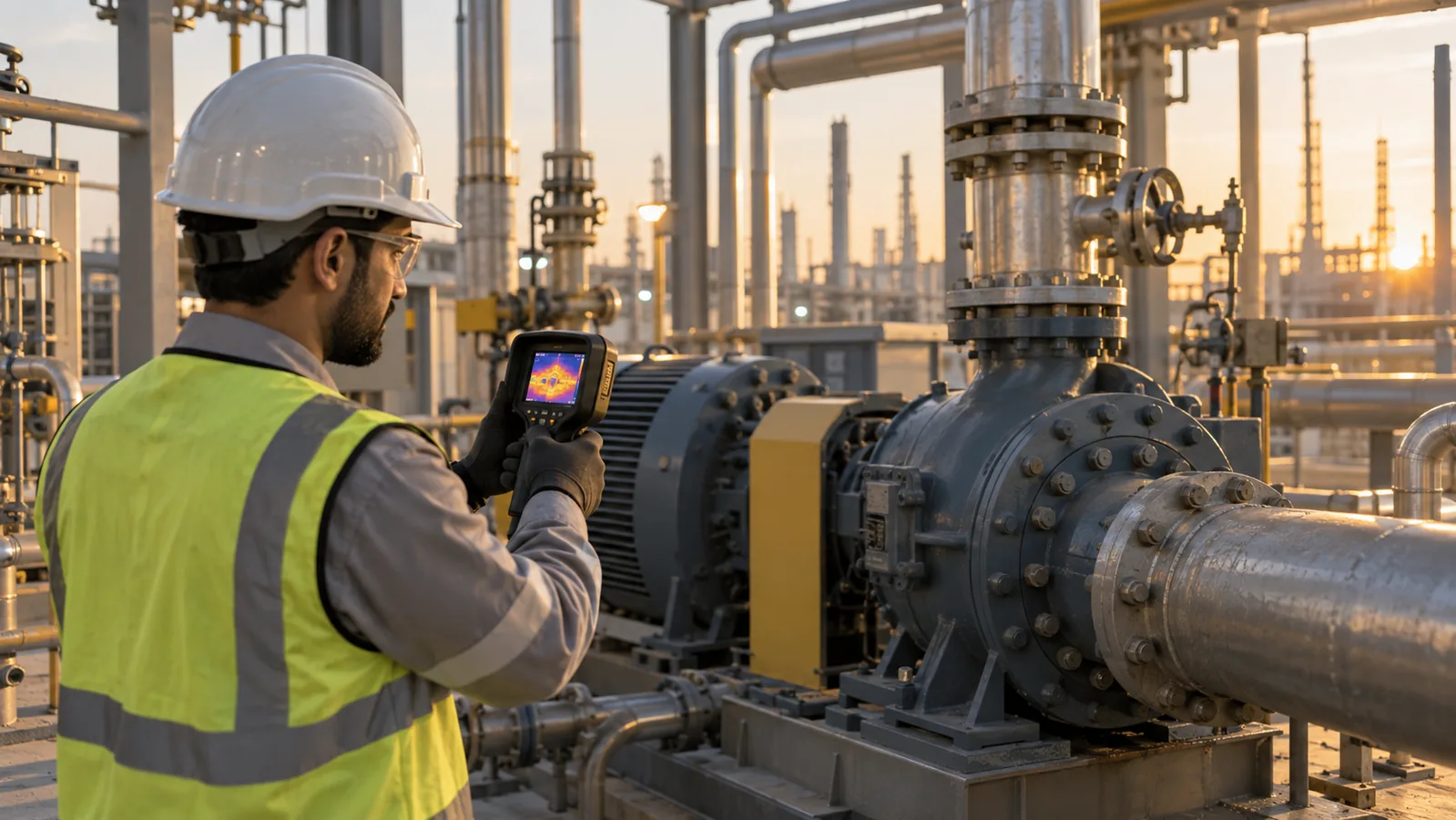
- Inspection: connect mobile checklists, photos, location and corrective actions.
- Video analytics: test a defined detection scenario with suitable cameras, an operator review path and an agreed response.
- Condition monitoring: route approved sensor data to maintenance workflows when the equipment and interface are supported.
Engineering for site constraints
Before selecting hardware, confirm the area classification, installation conditions, network boundaries, power, radio environment, environmental exposure and maintenance responsibilities. Any equipment intended for a hazardous area must meet the site’s applicable approval and certification requirements; those requirements must be confirmed for the specific device and location before procurement.
Data from tags, sensors, cameras or mobile inspections can pass through an approved gateway or edge layer into a GIS, ERP, EAM, CMMS or control-room workflow where supported interfaces are available. The interface design should state what data is authoritative, how events are reviewed, what happens during network loss and how changes are audited.
Controlled pilot and acceptance
- Define the operating objective, site owner and safe pilot boundary.
- Review hazard classification, access procedures, network and device constraints.
- Survey representative equipment, routes, work zones and radio conditions.
- Agree acceptance measures for reads, location, alerts, inspection completion and integration.
- Run tests with operations, HSE, IT/OT and maintenance stakeholders.
- Record configuration, exceptions, training and support ownership before expansion.
Targets depend on the site, process and selected technology. A pilot should test normal operation and failure cases, including missed events, delayed connectivity and escalation. Analytics can support a safety process, but it does not replace site procedures or competent review.
Common questions
Can RFID or RTLS be used in hazardous areas?
Only when the specific equipment and installation meet the site’s applicable requirements. Confirm device approvals for the exact area classification before selecting or installing hardware.
Can the system connect to EAM or CMMS software?
That depends on the target version and available interfaces. The design should map asset identifiers, work orders, event ownership and reconciliation before development.
Can video analytics detect every safety event?
No system should be assumed to detect every event. Camera position, scene conditions, model configuration and operator response all affect performance, so validate a limited use case in a pilot.
How should a site pilot be scoped?
Choose one bounded workflow, zone or equipment group with an accountable owner, documented safety controls and pass/fail criteria agreed before installation.
Related solutions
Explore RFID, RTLS, IoT, AI video analytics and enterprise integration. Request a project assessment.