
Octopus Odoo by Swedish Technology is an enhanced Odoo experience and integration layer designed to make Odoo easier to use, faster to operate and better connected to RFID, IoT, AI, GIS and enterprise systems. The framework can cover interface modernization, role-based dashboards, workflow automation, performance assessment, custom modules, mobile operations, data migration, upgrade testing and managed support. It is a Swedish Technology concept and delivery framework; Odoo remains the underlying platform and all version, licensing and localization decisions must be validated against the customer's Odoo edition and environment.
Move from a collection of menus and customizations to a measured modernization roadmap: assess, design, upgrade safely, connect the physical operation and prove acceptance before production cutover.
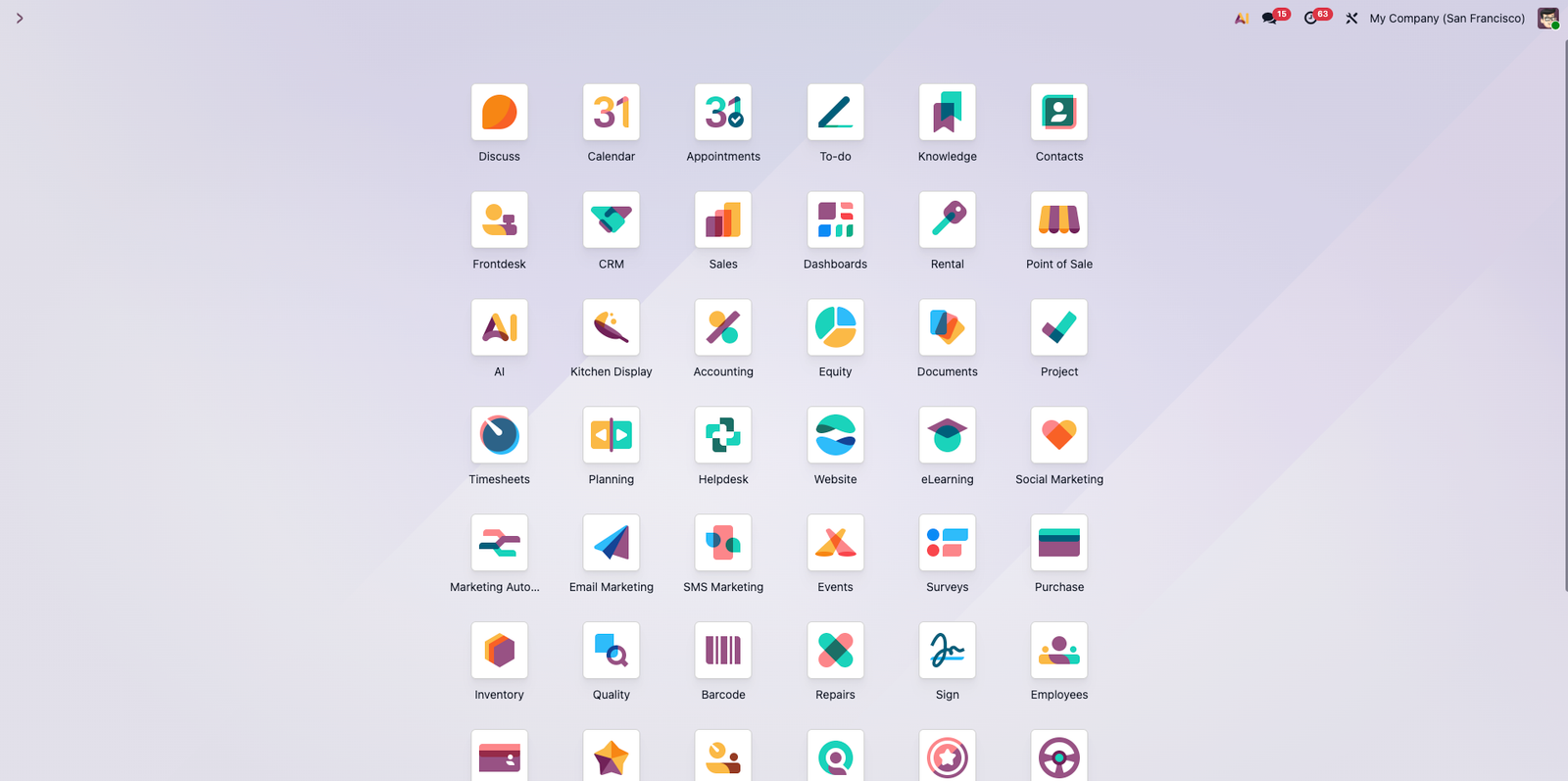
From Old Odoo to the New Octopus Model
A concept transition from a traditional application grid to a unified operating workspace built around models, roles and integrations.
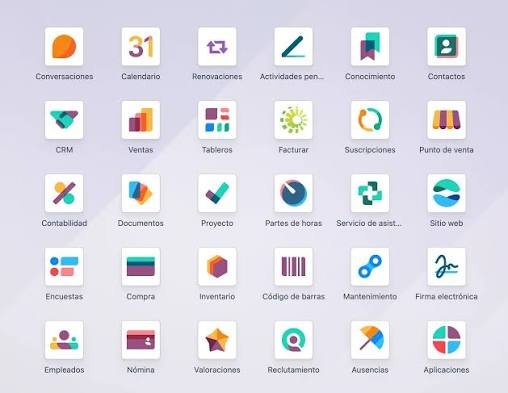
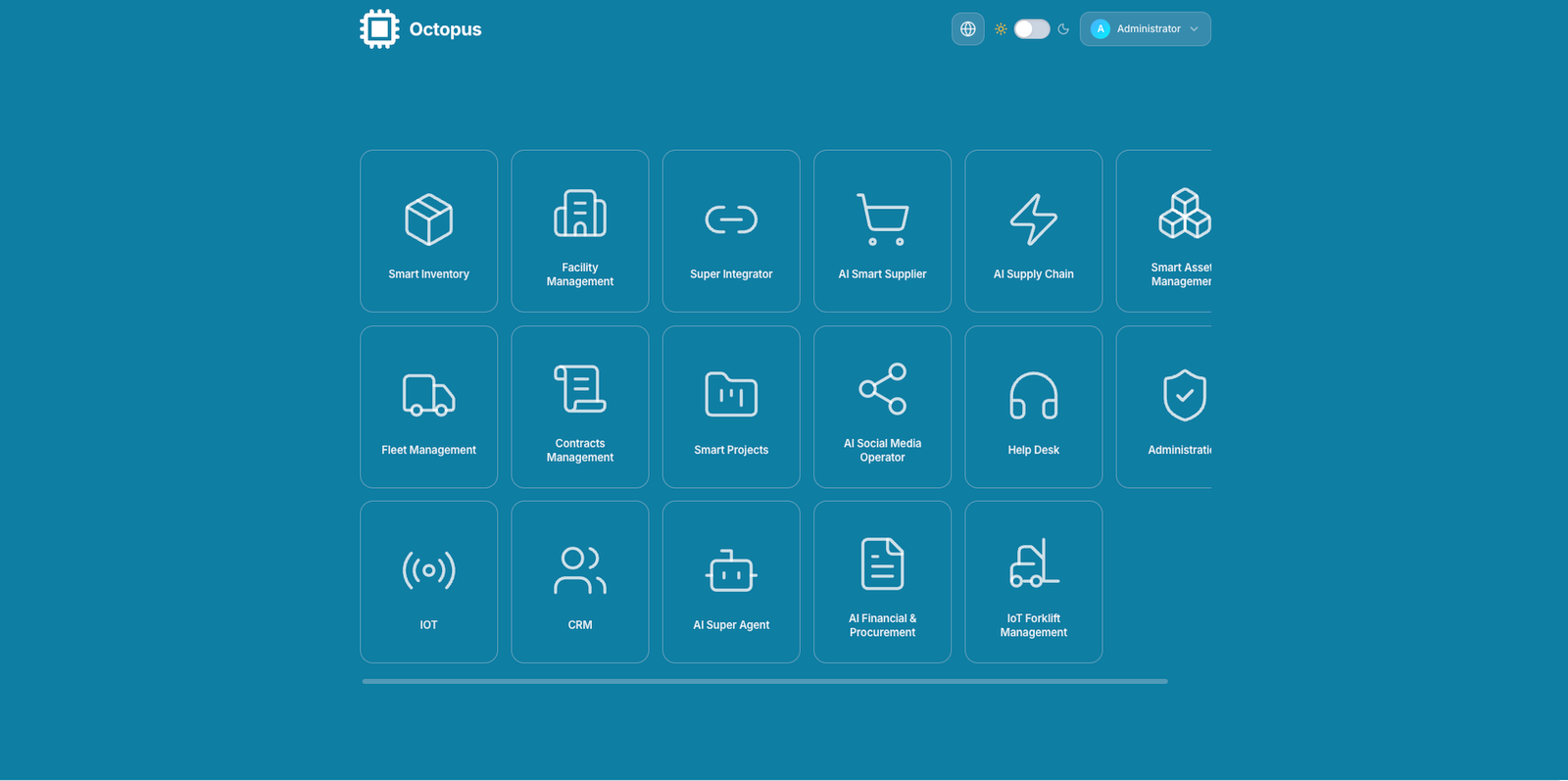
Octopus Odoo in context
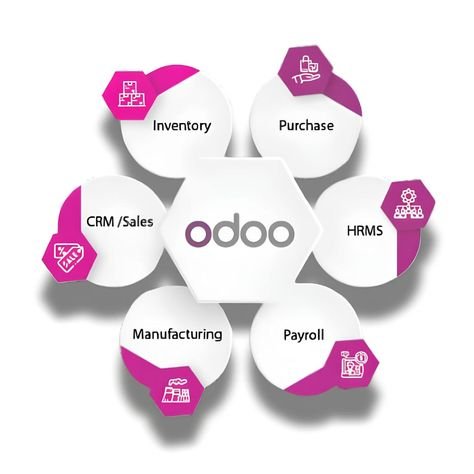
Contextual visuals from the local media library; these are not official Odoo screenshots.

Old Odoo / legacy reference
User-supplied reference images; these are not official screenshots of a current Odoo release.


Octopus Odoo sub-pages
Project scope
- Odoo version and edition assessment
- Role-based UX and dashboard modernization
- Performance and database health review
- Custom module and integration inventory
- Upgrade rehearsal and UAT planning
- RFID, IoT, GIS, AI and enterprise integration design
- Arabic/English workflow and UAE/GCC localization review
Expected deliverables
- Current-state Odoo health report and risk register
- Next-level UX concept with role-based screens and quick actions
- Module and integration map with availability status
- Target architecture and deployment recommendation
- Upgrade rehearsal report with defects and rollback decision
- UAT scripts, acceptance evidence, training and support handover
Indicative delivery time
Indicative timing only. Final duration depends on the Odoo version, edition, database size, custom code, integrations, localization and UAT scope.
- Discovery and health check
- UX, architecture and upgrade plan
- Clone, configuration and integration build
- SIT, performance, security and UAT
- Controlled cutover and support transition
Dependencies and buyer inputs
- Customer-approved access to the Odoo database, filestore, source code and hosting environment
- Confirmed Odoo edition, version, subscription and supported upgrade path
- Inventory of third-party modules, themes, connectors and devices
- Named business owners for finance, warehouse, projects, maintenance and integrations
- Representative test data and UAT acceptance owners
Acceptance criteria
- The approved role-based workflows are documented and pass UAT without unowned custom behavior.
- All custom modules and integrations have a compatibility decision for the target Odoo version.
- Critical workflows pass functional, integration and performance tests using representative data.
- Backup, restore, rollback, monitoring and support ownership are tested and documented.
- No claim of official Odoo partnership, certification or product ownership is made without evidence.
UAE & GCC considerations
For UAE and GCC deployments, review the current Odoo fiscal localization, Arabic/English documents, data residency, identity, hosting, support hours, VAT and corporate-tax reporting requirements with qualified finance and compliance owners. The UAE localization documentation currently identifies l10n_ae and l10n_ae_reports; exact scope must be confirmed for the customer's Odoo edition and legal entity.
Next step
We review the requirements and current environment, then turn them into a clear delivery and acceptance plan.
Request a technical assessment