
An Odoo troubleshooting center classifies symptoms across performance, database, modules, upgrades, integrations, RFID, IoT, email, printing, permissions and scheduled jobs. Octopus Odoo support uses evidence, reproduction, impact, containment, root-cause analysis, change control and verification rather than changing production blindly.
Turn an incident into a reproducible case with owner, evidence, safe fix and prevention.
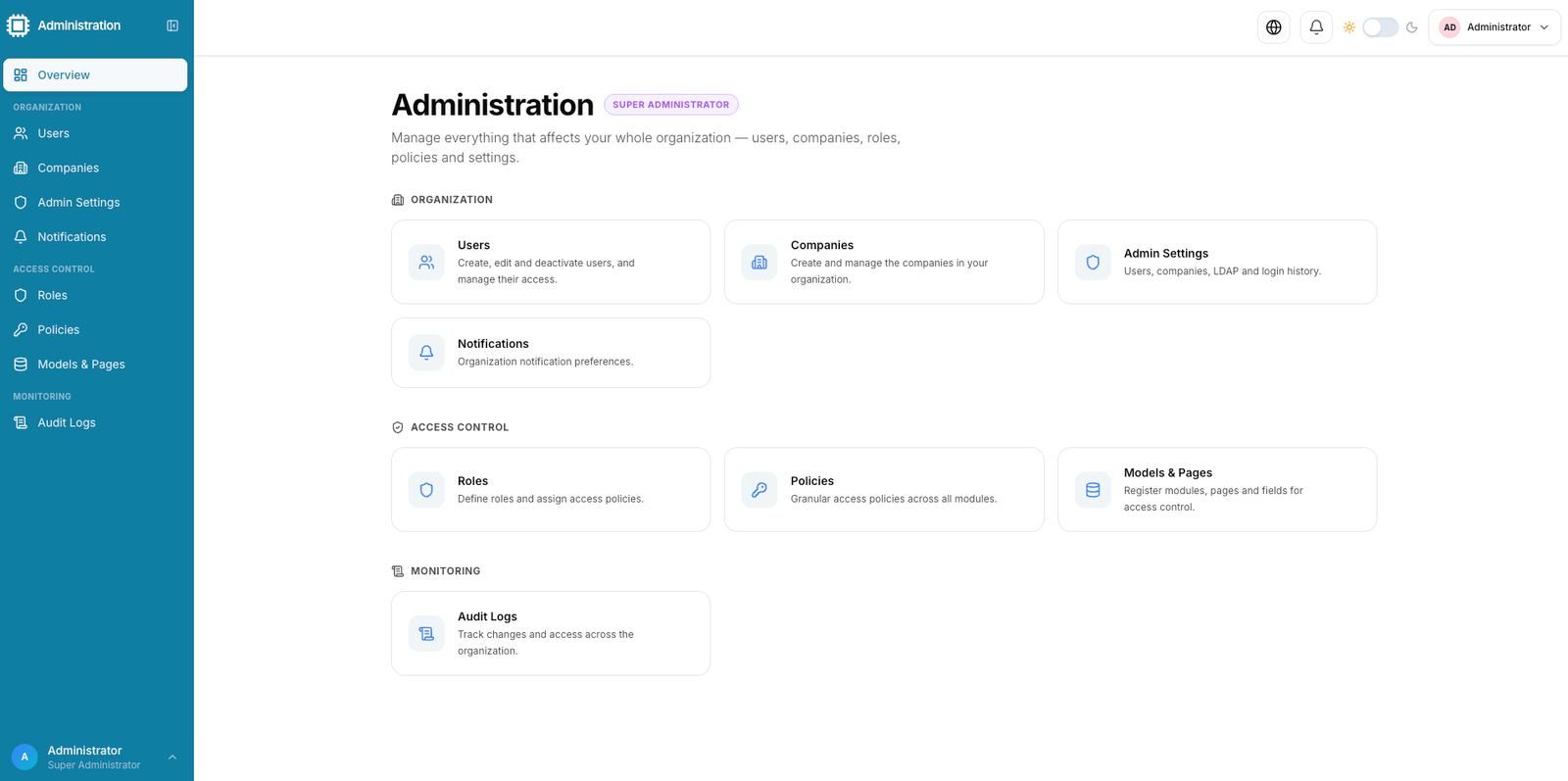
Octopus Odoo in context
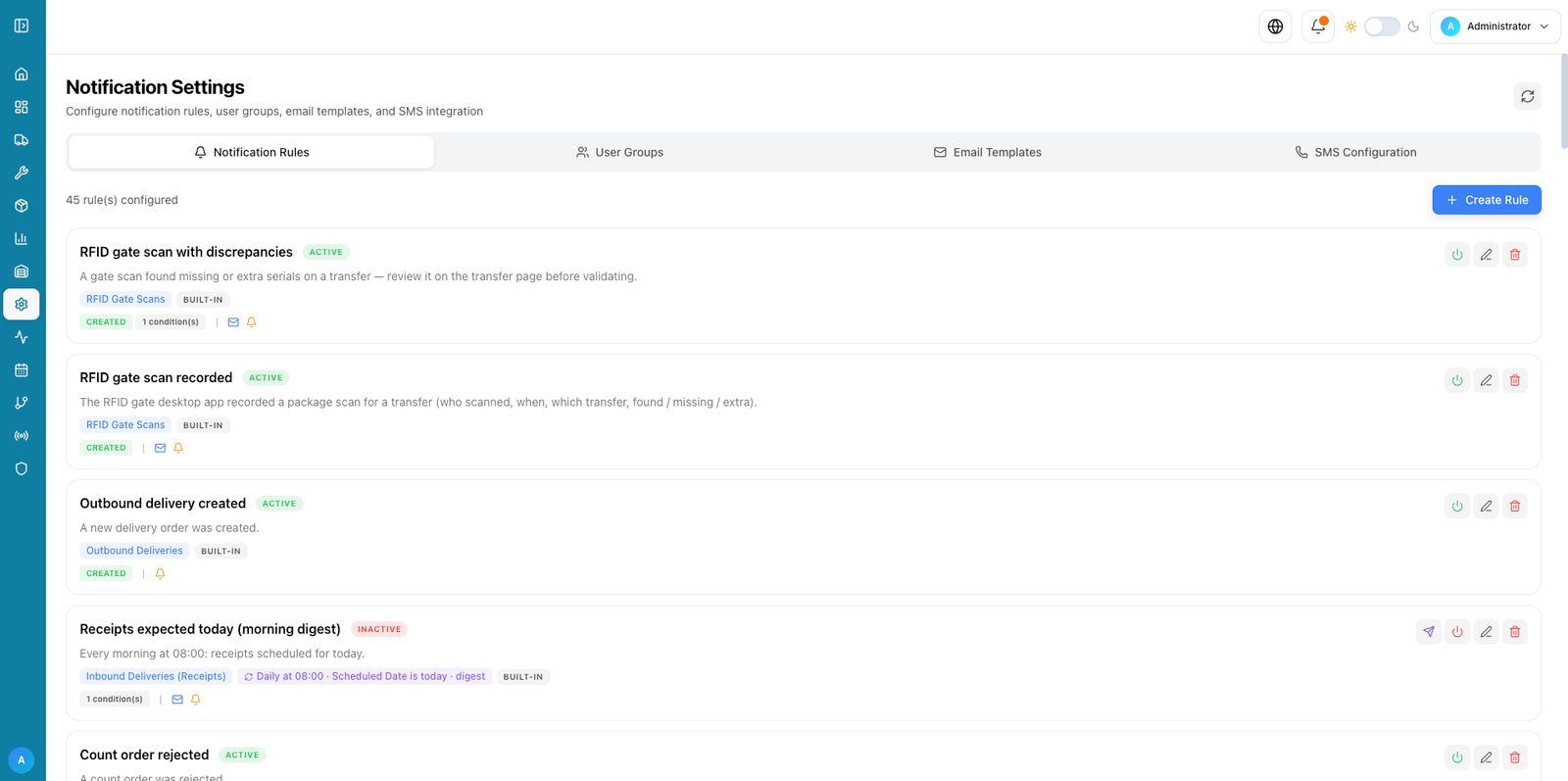
Contextual visuals from the local media library; these are not official Odoo screenshots.
Project scope
- Incident and support-process review
- Troubleshooting runbook and diagnostics
- Priority issue resolution and prevention
Expected deliverables
- Severity and triage model
- Case template
- Root-cause and fix report
- Prevention backlog and runbook
Indicative delivery time
Incident timing depends on severity, access and reproduction.
- Triage
- Diagnosis
- Remediation
Dependencies and buyer inputs
- Named business and technical owners
- Logs and reproduction evidence
- Approved support access and change process
Acceptance criteria
- Incident impact and evidence are recorded
- Containment and fix are approved
- Failure is reproduced or limitation documented
- Verification and prevention are completed
UAE & GCC considerations
For UAE and GCC support, include local escalation windows, Arabic/English operator guidance, data residency for logs, approved remote access and incident evidence retention.
Next step
We review the requirements and current environment, then turn them into a clear delivery and acceptance plan.
Request a technical assessment